April 19, 2026
Hair loss can affect people of all ages and backgrounds. For many individuals, losing hair is not only a cosmetic issue but also an emotional challenge that affects confidence and self-esteem. Alopecia is one of the most common causes of hair loss and can appear suddenly or develop gradually over time. Fortunately, modern medical advancements have introduced highly effective solutions that help restore natural hair growth.
Across the United Kingdom, specialised clinics now offer advanced therapies designed to address the root causes of hair loss. With professional guidance and modern techniques, individuals can now benefit from personalised alopecia treatment uk options that focus on restoring healthy hair and improving scalp health.
Alopecia is a medical condition characterised by partial or complete hair loss. It can affect the scalp, eyebrows, eyelashes, or other parts of the body. The condition occurs when hair follicles become damaged or inactive, preventing normal hair growth.
Several factors may contribute to alopecia. These include genetics, autoimmune disorders, hormonal changes, stress, poor nutrition, and certain medical treatments. While some forms of hair loss develop gradually, others may appear suddenly.
One of the most recognised forms of alopecia is alopecia areata, an autoimmune disorder that causes small, round patches of hair loss. In this condition, the immune system mistakenly attacks healthy hair follicles, interrupting the hair growth cycle. Many clinics across the UK now offer specialised programmes for the treatment of alopecia areata, designed to control the condition and stimulate regrowth.
Understanding the underlying cause of hair loss is essential before starting alopecia treatment in the UK, as it helps specialists create a treatment plan that effectively targets the problem.
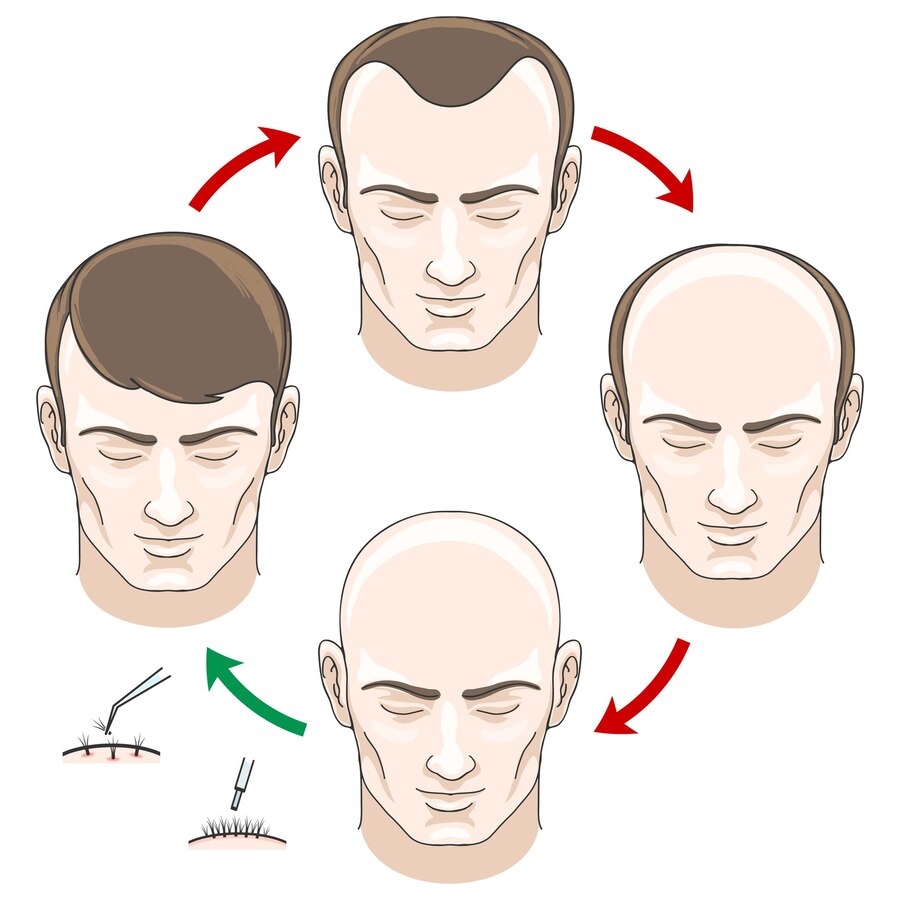
The field of hair restoration has advanced significantly in recent years. Modern therapies now focus on stimulating dormant hair follicles, improving scalp circulation, and restoring the natural hair growth cycle.
Specialist clinics combine medical expertise with innovative technology to provide highly effective treatments. These modern therapies include platelet-rich plasma therapy, low-level laser therapy, scalp rejuvenation treatments, and targeted medications.
These treatments work by activating weakened hair follicles and encouraging them to produce new hair strands. The goal of alopecia treatment in the UK is not only to restore lost hair but also to strengthen existing follicles and prevent further hair loss.
With modern therapies, many individuals can now achieve noticeable hair regrowth and improved hair density.
Alopecia areata can be particularly distressing because it often appears suddenly and causes patchy hair loss. Although the condition is unpredictable, specialised treatments are now available to manage symptoms and encourage regrowth.
Advanced alopecia areata treatment in the UK focuses on calming the immune system and stimulating inactive hair follicles. Doctors often recommend a combination of therapies depending on the severity of the condition.
Common treatment methods include corticosteroid therapy, platelet-rich plasma injections, topical medications, and immunotherapy. These treatments help reduce inflammation around hair follicles and promote healthier hair growth.
Early intervention plays an important role in successful recovery. Patients who seek professional advice early often experience better outcomes and faster regrowth.
Hair loss in men is commonly associated with genetic factors such as male pattern baldness. However, alopecia can also occur due to stress, hormonal changes, or autoimmune conditions.
Specialist clinics provide customised alopecia treatment for men that addresses individual hair loss patterns and scalp conditions. The aim is to restore hair growth while maintaining a natural and balanced appearance.
Many treatment programmes for men include therapies such as platelet-rich plasma injections, laser stimulation, and prescription medications that help prevent further hair thinning. These treatments work by strengthening hair follicles and improving blood circulation in the scalp.
Professional alopecia treatment for men plans are designed to suit different stages of hair loss. With early treatment and expert guidance, men can often slow down hair loss and stimulate visible regrowth.
Hair loss in women often presents differently than in men. Instead of forming clear bald patches, women typically experience overall thinning or reduced hair volume. This can be caused by hormonal changes, nutritional deficiencies, stress, or underlying medical conditions.
Clinics across the UK now offer advanced alopecia treatment for women designed to restore hair strength and density. These treatments focus on improving scalp health and supporting the natural hair growth cycle.
Treatment plans may include scalp therapy, nutritional support, laser therapy, and platelet-rich plasma therapy. Each treatment is customised according to the individual's hair condition and lifestyle.
By addressing both internal and external factors that contribute to hair loss, alopecia treatment for women can help promote healthier, stronger hair growth over time.
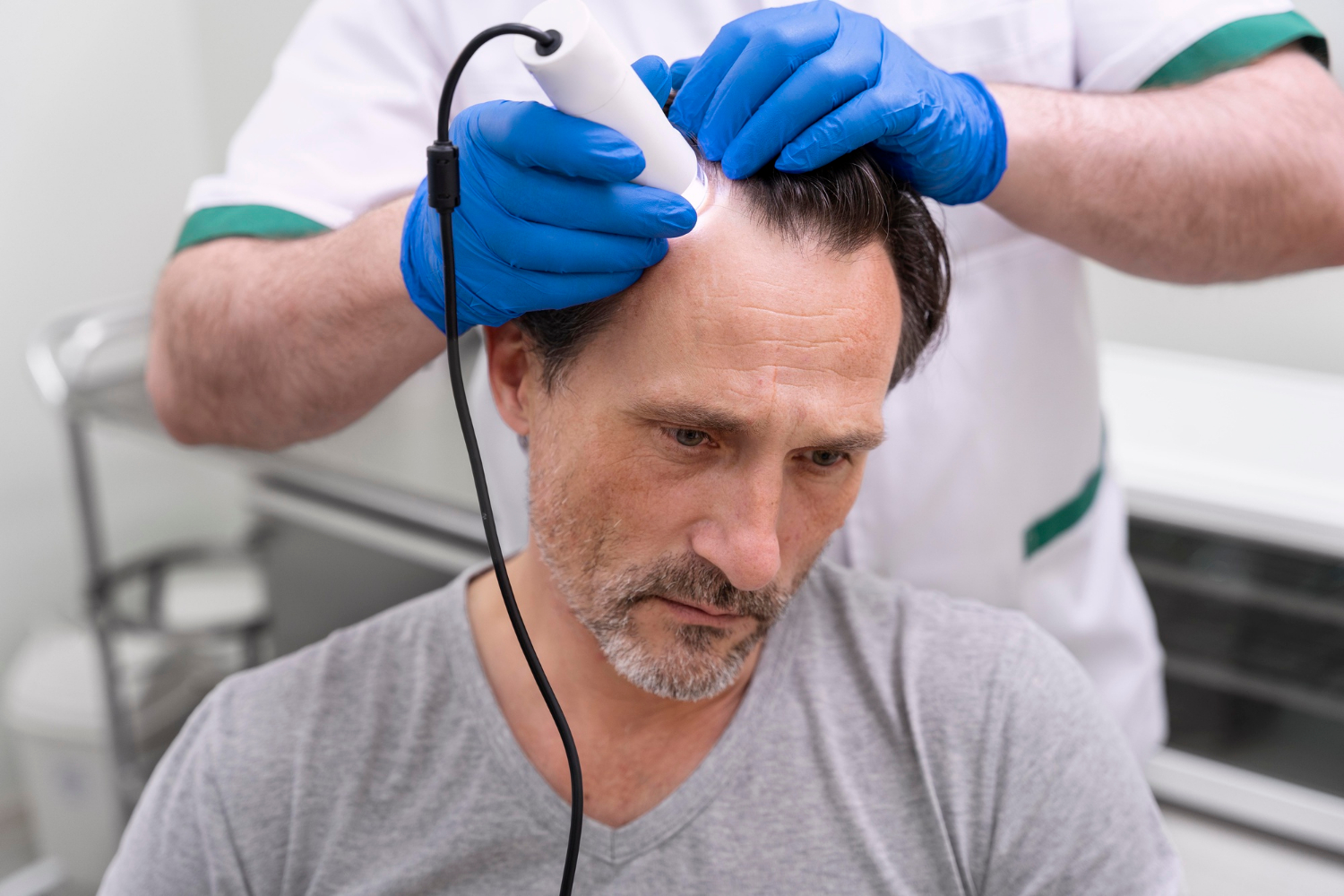
Professional hair restoration clinics play a crucial role in diagnosing and treating alopecia effectively. Experienced specialists use advanced diagnostic tools to examine scalp health, evaluate hair follicles, and determine the exact cause of hair loss.
One example is Want Hair Ltd, a clinic known for providing personalised hair restoration solutions and professional consultations. By combining medical knowledge with modern treatment techniques, clinics like Want Hair Ltd help patients receive tailored care that supports long-term hair health.
Specialist clinics ensure that every patient receives a treatment plan tailored to their condition. This personalised approach improves the success rate of alopecia treatment in the UK and provides patients with a clear path toward hair recovery.
Many people delay seeking help for hair loss, assuming it will resolve on its own. However, alopecia can progress if left untreated, making recovery more challenging.
Early diagnosis allows specialists to identify the cause of hair loss and begin appropriate treatment before significant follicle damage occurs. Timely intervention improves the effectiveness of alopecia treatment in the UK and increases the chances of successful hair regrowth.
Regular scalp assessments and professional consultations help monitor hair health and ensure that treatment remains effective.
In addition to medical treatments, maintaining healthy lifestyle habits can significantly improve hair health. A balanced diet, proper scalp care, and stress management all contribute to stronger hair growth.
Individuals experiencing hair loss are often advised to include nutrient-rich foods such as fruits, vegetables, lean proteins, and vitamins that support hair health. Managing stress levels and maintaining a healthy routine also helps maintain the natural hair growth cycle.
When combined with professional alopecia treatment for men or alopecia treatment for women, these lifestyle practices enhance the overall effectiveness of treatment.
Alopecia can be a challenging condition, but modern medical advancements have created effective solutions for managing hair loss and restoring confidence. Today, individuals have access to advanced therapies that stimulate hair follicles, improve scalp health, and promote natural hair regrowth.
With professional guidance and personalised treatment plans, Alopecia Treatment UK now offers highly effective solutions for different types of hair loss. Specialised programmes such as alopecia areata treatment UK, along with tailored alopecia treatment for men and women, provide targeted care designed to address individual needs.
Clinics such as Want Hair Ltd continue to support patients with modern therapies and expert care, helping individuals regain healthy hair and renewed confidence. With early diagnosis, professional treatment, and proper lifestyle support, restoring natural hair growth is now more achievable than ever before.